

Key Takeaways
- Small prey animals instinctively suppress visible signs of pain or illness as a survival mechanism.
- Changes in eating, drinking, activity level, or droppings are often the earliest warning signs owners miss.
- Waiting for obvious symptoms before calling a vet often means disease has already advanced significantly.
- Establishing a baseline of what's normal for your specific pet makes early detection much more reliable.
- Exotic and small-animal vets have specialized training that general practices may not offer - find one in advance.
Why Small Pets Hide Illness So Effectively
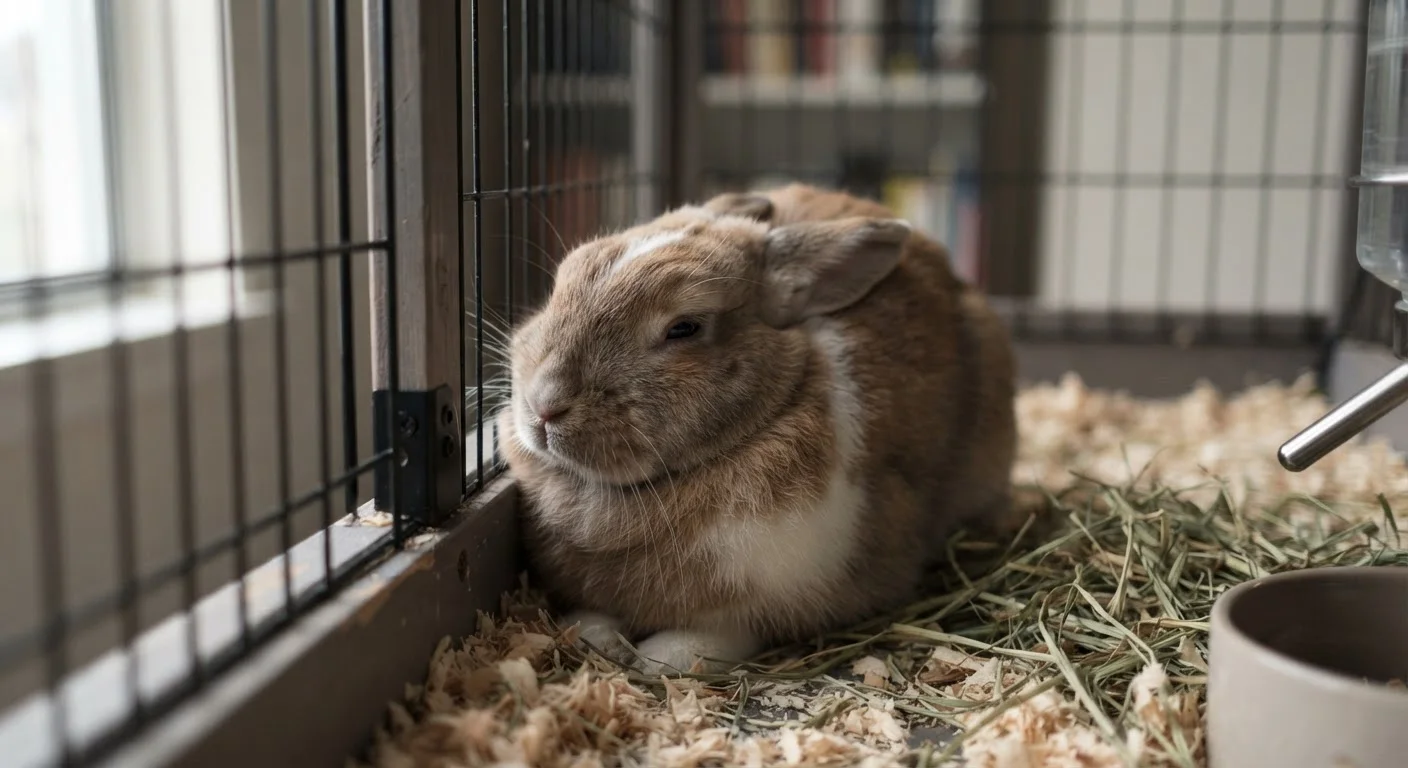
Rabbits, guinea pigs, hamsters, birds, and other small animals share a common evolutionary heritage as prey species. In the wild, showing weakness invites predation, so these animals are hardwired to conceal discomfort until they physically cannot. This biological instinct does not disappear in a domestic setting - it means that by the time a small pet looks visibly unwell, its condition may already be serious.
This stands in contrast to dogs, where subtle behavioral cues are easier to interpret over time - as explored in our guide on recognizing pain signs in dogs. With small pets, the margin between "acting normal" and "critically ill" can be much narrower and much harder to read.
Owners who understand this instinct are better equipped to monitor proactively rather than reactively. The goal is not to become anxious, but to become observant.
Assuming a quiet, still pet is simply calm or resting.
Why it happens: Small animals often spend a lot of time inactive, so owners may not distinguish between healthy rest and the lethargy that signals illness.
Skipping regular weight monitoring between vet visits.
Why it happens: Weight loss in small animals is often invisible to the eye until it is dramatic, so owners don't notice gradual decline without measurement.
Ignoring changes in droppings as unimportant.
Why it happens: Many owners are unfamiliar with what healthy feces look like for their specific species, so abnormal output doesn't register as alarming.
Delaying the vet visit while waiting for more obvious symptoms.
Why it happens: Owners often hope the issue will resolve on its own or wait until symptoms seem "bad enough" to justify the cost and effort of a vet trip.
Not noticing reduced food or water intake until it becomes severe.
Why it happens: Owners often refill food and water without carefully observing how much was actually consumed since the last refill.
Taking a small pet to a general vet without exotic-animal experience.
Why it happens: Owners assume any veterinarian can treat any animal, or they don't realize specialized small-animal practices exist until an emergency occurs.
Building Habits That Catch Problems Early
Early detection depends less on luck and more on routine. Owners who interact with their pets daily and log basic health indicators - weight, food intake, stool consistency, activity patterns - are far more likely to notice deviations before they escalate.
~48 hrs
Time frame for GI stasis to become life-threatening in rabbits
Veterinary sources consistently note that rabbits who stop eating or producing droppings can deteriorate rapidly, often within one to two days.
30-50%
Body weight loss possible before visible signs appear in birds
Avian veterinary literature notes that birds can lose a substantial proportion of body weight before showing outward signs of illness, underscoring the importance of regular weighing.
A digital kitchen scale is one of the most practical tools a small-pet owner can own. Weight loss of even a few grams in a hamster or budgie can reflect meaningful illness. Weighing your pet at the same time each week and tracking the number takes less than a minute and creates a documented baseline.
Similarly, before you bring a small pet home, identifying an exotic-animal or small-animal veterinarian in your area is critical - general practitioners may have limited training in species-specific care. Our article on preparing before a small pet arrives covers this and other essential steps in detail.
Understanding how long different small animals typically live can also help you calibrate health expectations across the life stages of your specific species.
Never Wait Overnight With These Symptoms
In small animals, complete food refusal, absence of droppings, labored breathing, loss of balance, or seizures are emergencies - not symptoms to monitor at home. These species can decline within hours. Contact an emergency exotic-animal clinic immediately if your regular vet is unavailable.
For a broader framework covering habitat, diet, and long-term health monitoring, see our complete small pet care guide.
This article is for general informational purposes only and is not a substitute for professional veterinary advice. Always consult a qualified veterinarian for concerns about your pet's health.