

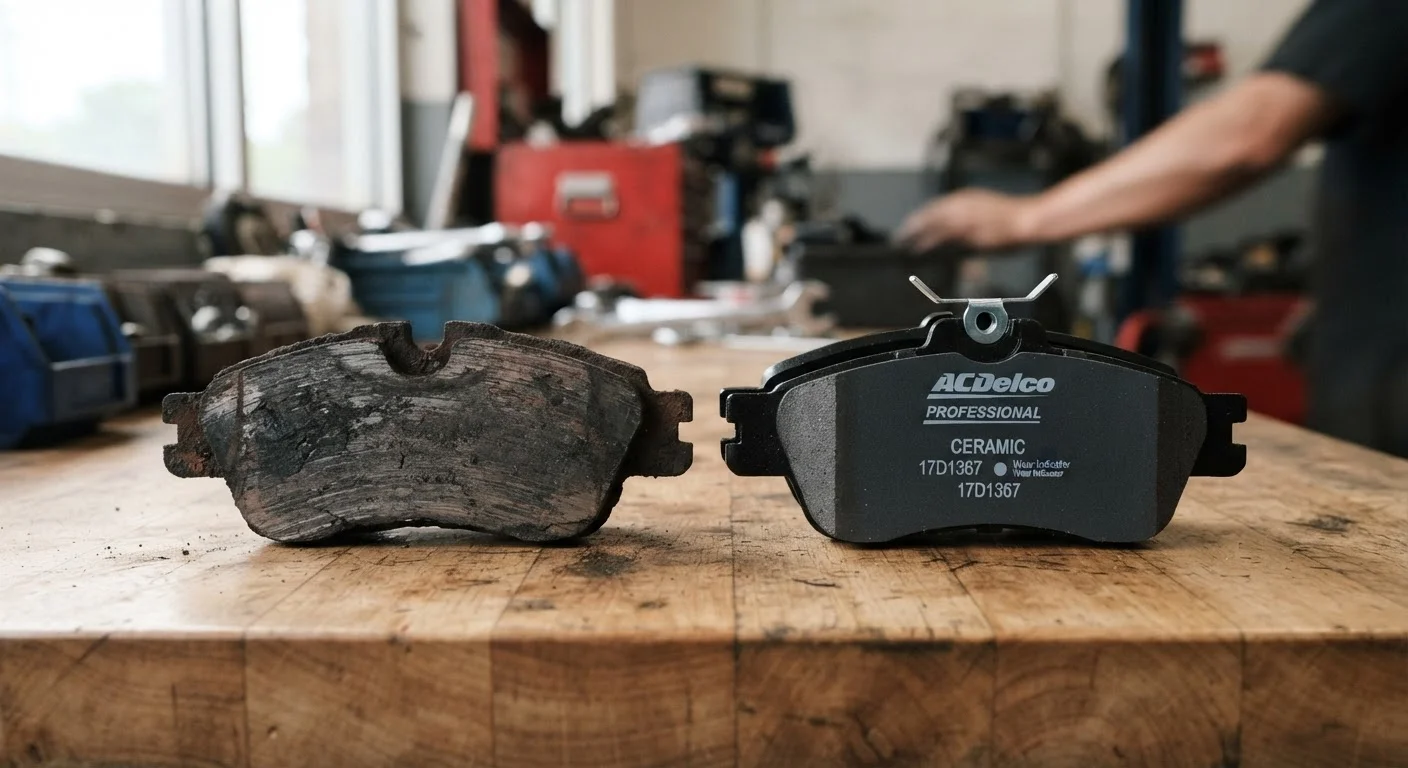
Key Takeaways
- Squealing brakes are not always a sign of serious damage - but they should never be ignored.
- Brake pads don't wear evenly on all four wheels, so inspecting just one corner isn't enough.
- Waiting until brakes grind before replacing pads risks costly rotor damage and reduced stopping power.
- Brake fluid degrades over time and needs periodic replacement, not just a top-off.
- A qualified mechanic should inspect brake systems whenever wear indicators or warning signs appear.
Why Brake Myths Are More Dangerous Than They Sound
Brakes are the single most safety-critical system on any vehicle, yet persistent myths about how they work - and when they need attention - continue to circulate in parking lots, online forums, and family advice. Believing the wrong thing about brake wear doesn't just cost money; it can genuinely reduce your ability to stop in an emergency.
The good news is that understanding a handful of basic facts puts you in a much stronger position. You don't need to be a mechanic to recognize when something is wrong. You simply need accurate information - and a willingness to act on it promptly.
Just as incorrect tire pressure quietly undermines safety (see our piece on how tire pressure affects safety and costs), bad brake assumptions can erode a margin of protection that most drivers take for granted.
Myth
If my brakes aren't making any noise, they must be fine.
Fact
Brake pads can wear to a dangerously thin level without producing any audible warning - particularly on vehicles where the wear indicator has already been bypassed or is malfunctioning.
Wear indicator tabs are designed to produce a squealing sound when pads reach a certain minimum thickness, typically around 2-3 mm. However, these tabs can break off, corrode, or become ineffective over time. Additionally, some driving styles - such as frequent light braking on highways - can wear pads gradually without ever triggering a loud squeal. The only reliable way to know pad thickness is a physical inspection, which most shops perform during routine oil changes at no extra cost.
Myth
A little brake squeal just means the brakes need to "warm up" and can be ignored.
Fact
While brief squealing during the first stop of the day in cold or wet conditions can be normal, persistent or loud squealing is a wear indicator doing exactly its job - signaling it's time for an inspection.
Morning squealing that disappears after the first stop often results from a thin layer of surface rust that forms on rotors overnight. This is generally harmless. But if squealing continues after brakes have warmed up, occurs under normal braking, or is accompanied by vibration, it is communicating an actual problem. Dismissing all squeal as routine is one of the most common reasons drivers delay maintenance until pads are critically worn.
Myth
You only need to replace brake pads when you hear grinding.
Fact
Grinding means metal is already contacting metal - at that point, rotors are often damaged and replacement costs increase significantly compared to replacing pads earlier.
Brake pads are designed with a safety margin: the wear indicator squeals well before the friction material is fully depleted. Waiting for grinding means you've gone past that warning stage. Rotor resurfacing or replacement, which grinding typically necessitates, can cost two to four times more than a pad replacement alone. Acting on the squeal - not the grind - is how drivers avoid that escalating repair bill.
Myth
All four brake pads wear at the same rate, so checking one wheel tells you everything.
Fact
Front brakes handle significantly more stopping force than rear brakes and typically wear faster - sometimes two to three times as quickly.
During braking, weight transfers forward, putting greater load on front wheels. As a result, front brake pads often need replacement well before rear pads reach the same wear level. Additionally, a sticking caliper on any single wheel can cause that pad to wear far faster than its counterpart on the opposite side. A complete brake inspection covers all four corners and both inner and outer pads at each wheel - never just one position.
Myth
Brake fluid doesn't need to be changed - just topped off when low.
Fact
Brake fluid is hygroscopic, meaning it absorbs moisture from the air over time, which lowers its boiling point and can lead to brake fade or brake failure under heavy use.
As moisture content in brake fluid increases, its effective boiling point drops. Under demanding conditions - such as repeated hard stops or descending a long hill - fluid can vaporize partially in the lines, creating compressible gas bubbles and a soft or unresponsive pedal. Most vehicle manufacturers recommend replacing brake fluid every two years or per mileage intervals specified in the owner's manual, regardless of fluid level. Topping off with fresh fluid does not flush out the degraded fluid already in the system.
Myth
Harder, sportier brake pads are always better for everyday driving.
Fact
High-performance brake pads are engineered for elevated temperatures generated in track or aggressive driving conditions - they often perform poorly when cold, which describes most everyday commutes.
Performance or racing-compound pads typically require heat to reach their optimal friction coefficient. In normal stop-and-go traffic, where brakes rarely reach those temperatures, these pads can feel grabby, generate more dust, wear rotors faster, and actually deliver less consistent stopping performance than standard OEM-specification pads. Brake pad selection should match the vehicle's design and the driver's actual usage pattern - a conversation best had with a qualified technician.
What You Should Actually Do When Brakes Show Warning Signs
Recognizing a warning sign is only useful if you respond appropriately. Here's what automotive safety professionals generally recommend:
- Squealing: Have the brake system visually inspected at your next service appointment - sooner if the sound is persistent or accompanied by reduced pedal responsiveness.
- Grinding: Treat this as urgent. Metal-on-metal contact accelerates rotor damage significantly and can compromise braking distance. Schedule an inspection promptly.
- Pulling to one side: This can indicate uneven pad wear, a stuck caliper, or brake fluid issues. It warrants professional diagnosis, not a wait-and-see approach.
- Soft or spongy pedal: Often a sign of air in the brake lines or degraded fluid. This is a safety concern that should be addressed before driving distances.
Never Delay on a Grinding Brake Noise
A grinding sound during braking means friction material has been depleted and metal components are in direct contact. This is not a "monitor and wait" situation. Continued driving in this condition can damage rotors, reduce braking effectiveness, and in severe cases compromise brake system integrity. Have the vehicle inspected by a qualified mechanic before driving it further than necessary.
Brake maintenance doesn't exist in isolation. A vehicle's stopping ability is also influenced by tire condition and pressure - another reason keeping up with routine tire maintenance matters for overall road safety. When shopping for or evaluating a used vehicle, it's also worth checking brake system history and maintenance records as part of your pre-purchase research.
This article is for general informational purposes only. Always consult a qualified automotive technician for diagnosis, repair, or safety-related vehicle concerns.