

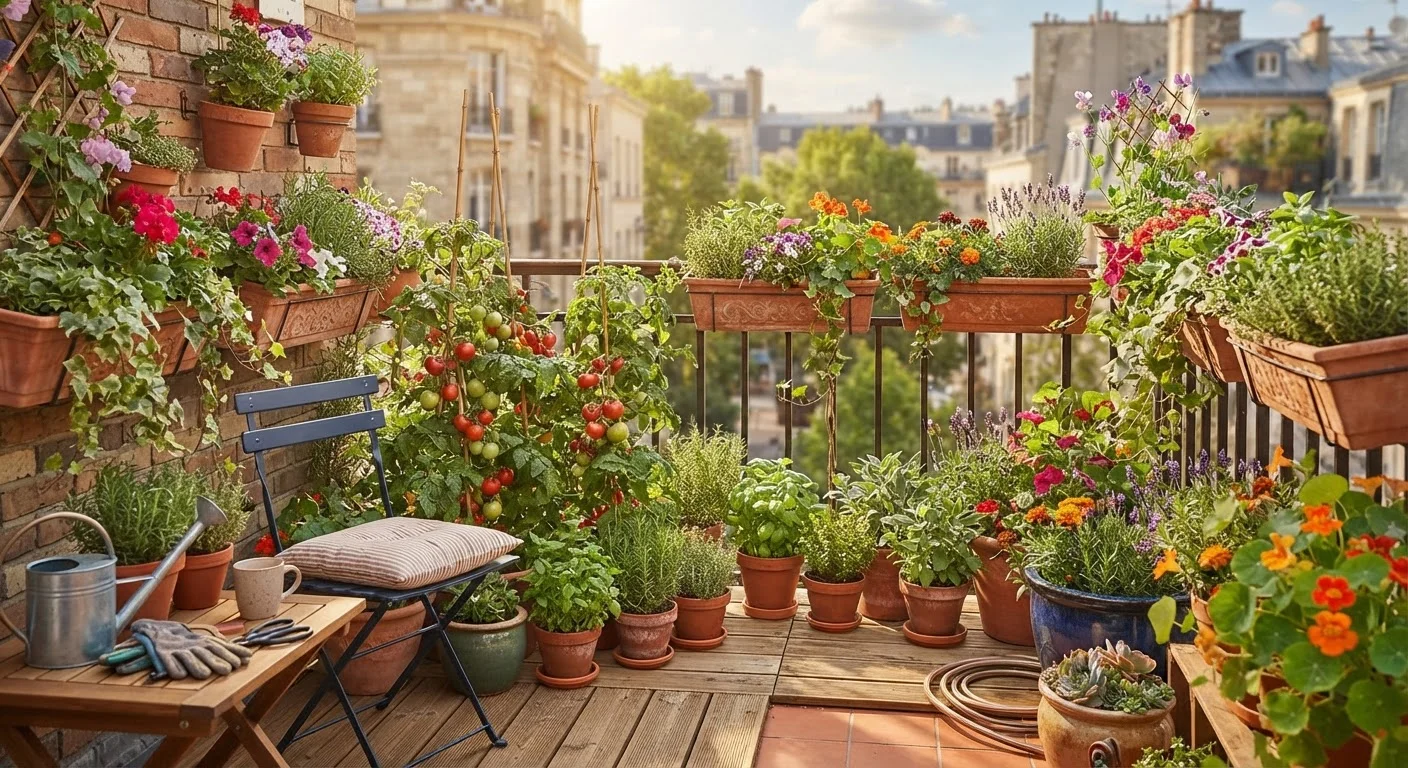
Key Takeaways
- Container size directly affects root health - undersized pots limit growth and dry out too fast.
- Potting mix, not garden soil, is essential for proper drainage and aeration in containers.
- Most vegetables and herbs thrive in containers when watered consistently and fed regularly.
- Drainage holes are non-negotiable - waterlogged roots quickly kill container plants.
- Grouping containers and using saucers strategically reduces watering frequency and plant stress.
What you will need
Why Container Gardening Works Even in Tight Spaces
You don't need a yard to grow food or create a lush outdoor space. Container gardening gives urban renters, condo owners, and anyone with a sunny patio full control over their growing environment - the soil, the drainage, the placement. Unlike in-ground beds, containers can be repositioned to chase sunlight, brought indoors before frost, or swapped out seasonally without disturbing anything permanent.
The approach differs meaningfully from raised-bed or in-ground planting, which requires dedicated outdoor ground space. With containers, your growing area is wherever you have light - a south-facing balcony, a sunny stoop, or even a well-lit windowsill for herbs.
The main tradeoffs are real: containers require more frequent watering and fertilizing than ground beds, and root space is limited. But with the right setup, those tradeoffs are easily managed - and many gardeners find container growing more rewarding precisely because they can give each plant focused attention.
Containers (pots, planters, or grow bags)
Hold the growing medium and plant roots; size and material affect moisture retention and weight.
High-quality potting mix
Provides the aeration, drainage, and nutrients container plants need - garden soil compacts and is unsuitable.
Saucers or drip trays
Catch excess water draining from pots, protecting surfaces and reducing how often you need to water.
Watering can or hose with a gentle spray head
Delivers water evenly to container soil without disturbing roots or splashing soil out of the pot.
Slow-release granular fertilizer
Feeds plants steadily over weeks, compensating for nutrients lost through frequent container watering.
Trowel
Scoops potting mix, assists with transplanting seedlings, and helps loosen soil surface when it crusts.
Setting Up Your Container Garden Step by Step
Follow the steps below to set up a productive container garden that works with your available space, light, and budget. Pay particular attention to container sizing and soil selection - these two factors are responsible for most container gardening failures.
What you will need
Assess your light and weight constraints
Before buying a single pot, spend a day observing your space. Count the hours of direct sun your patio or balcony receives. Most fruiting vegetables - tomatoes, peppers, beans - need at least six hours of direct sun. Leafy greens, herbs like mint and parsley, and many flowers can manage on four hours.
For balconies, also check your building's load rating if possible, or consult your lease or HOA documentation. Wet soil is heavy: a 15-gallon container filled with moist potting mix can weigh 50-80 lbs. Concentrate large planters near structural supports like walls and columns rather than in the center of the floor.
Choose the right containers for each plant
Match container size to the plant's root depth. Herbs like basil and chives do well in 6-8 inch pots. Bush beans and lettuce need at least a 12-inch depth. Tomatoes, squash, and peppers require containers holding 5 gallons or more - 10 to 15 gallons is better for indeterminate tomato varieties.
Material matters for weight and moisture. Terracotta breathes well but dries quickly. Plastic and resin retain moisture longer and are lighter - a real advantage on balconies. Fabric grow bags offer excellent drainage and air-pruning of roots, which promotes healthy growth. Whatever you choose, confirm there are drainage holes in the bottom. No drainage holes means no container garden - period.
Fill containers with quality potting mix
Never use soil dug from the ground in containers. Garden soil compacts under watering, suffocates roots, and may harbor pests or disease. Instead, use a quality potting mix - a blend typically containing peat moss or coco coir, perlite, and compost. This structure stays loose, drains well, and holds enough moisture to sustain roots between waterings.
To reduce the weight and cost of filling very large containers, you can fill the bottom third with lightweight materials - empty plastic bottles or a layer of perlite - before adding potting mix. This doesn't harm drainage and makes containers much more manageable. Leave about an inch of space between the soil surface and the rim of the pot to prevent water from running off before it soaks in.
Select plants suited to container life
Compact and dwarf varieties are bred specifically for small spaces and perform better in containers than full-size cultivars. Look for variety names that include terms like 'Bush,' 'Patio,' 'Dwarf,' or 'Compact' on seed packets and plant tags. Cherry tomatoes, bush cucumbers, compact pepper varieties, and patio eggplants are reliable producers.
Herbs are among the easiest container crops: basil, thyme, oregano, chives, and cilantro all thrive in pots and benefit from regular harvesting, which encourages fresh growth. Flowers like nasturtiums, marigolds, and petunias add color while also deterring some common pests - a principle explored more deeply in our guide to companion planting combinations.
Water consistently and watch for signs of stress
Containers dry out faster than in-ground beds, especially in summer heat or wind. Check soil moisture daily during warm months by pressing a finger an inch into the potting mix. Water when it feels dry at that depth, not on a fixed schedule - actual needs vary by weather, pot size, and plant type.
Water thoroughly until it flows from the drainage holes. This ensures the entire root zone is reached and prevents salt buildup from fertilizers in the lower soil. If water runs straight through without absorbing, the mix may have dried out and shrunk from the sides. In that case, set the pot in a tub of water for 20-30 minutes to rehydrate the mix fully.
Fertilize regularly throughout the growing season
Because nutrients leach out of containers with every watering, container plants need more frequent feeding than in-ground plants. If you didn't add slow-release fertilizer at planting time, begin a liquid feeding routine - a balanced water-soluble fertilizer applied every two to three weeks works well for most vegetables and herbs.
Switch to a formula higher in phosphorus and potassium (lower in nitrogen) once flowering and fruiting begins, as high nitrogen at that stage pushes leafy growth at the expense of fruit set. Watch plants for signs of deficiency: yellowing older leaves often indicate nitrogen shortage, while purple-tinged leaves may signal phosphorus stress.
Maximize Space with Vertical Supports
Trellises, stake cages, and wall-mounted planters dramatically increase growing capacity in compact spaces. Vining crops like pole beans, cucumbers, and small melons climb vertical supports and free up floor space for additional containers. Even a simple bamboo teepee staked inside a large pot can double your yield per square foot.
Drainage Holes Are Non-Negotiable
Every container must have functioning drainage holes before you plant. Without them, excess water pools at the root zone, suffocating roots and creating conditions for root rot - one of the most common causes of container plant death. If a decorative pot lacks holes, use it as an outer sleeve for a drip-holed nursery pot placed inside.
Check Balcony Weight Limits Before You Start
Soil, water, and containers add up quickly. A cluster of large, water-saturated pots can exceed a balcony's safe load capacity. Consult your building management or a structural professional if you're uncertain about limits, and prioritize lightweight materials like fabric grow bags and resin pots to reduce cumulative weight.
Maintaining and Expanding Your Container Garden
Once established, a container garden rewards consistent, small-scale attention. Deadhead flowering plants regularly to prolong blooming. Harvest herbs and leafy greens frequently - cutting them back encourages fresh growth rather than bolting (going to seed prematurely). At the end of each growing season, refresh your potting mix by adding a generous amount of finished compost or replacing the top several inches entirely, as the mix compresses and loses structure over time.
If you find yourself drawn to growing a wider range of plant types, it's worth considering which plants are suited to your regional climate and conditions. Our article on native plants and landscape rethinking offers useful context on plant adaptation, even though native plantings are typically ground-based. Understanding plant-environment fit applies just as much to container selection as it does to traditional landscaping.
As your confidence grows, you may want to branch out from containers into more permanent growing setups. If that moment comes, starting a vegetable garden from the ground up walks through site selection, soil preparation, and seasonal planning for a full in-ground garden.