

Key Takeaways
- Report your claim as soon as safely possible - most insurers have strict notification timelines.
- Thorough scene documentation, including photos and witness information, strengthens your claim.
- An adjuster will investigate the incident and determine the payout based on your coverage.
- You have the right to dispute a settlement offer if you believe the valuation is inaccurate.
- Coverage type determines what gets paid - knowing yours before filing prevents surprises.
What you will need
Understanding the Claims Process Before It Happens
Filing an auto insurance claim is something most drivers will need to do at some point - yet few feel prepared when the moment arrives. Understanding how the process works in advance removes much of the uncertainty and helps you advocate for yourself more effectively. Before diving into the steps, it's worth being clear on one foundational point: what your policy actually covers determines what the claims process can deliver. If you're unsure how your coverage is structured, review our guide to liability, collision, and comprehensive coverage before a loss occurs.
Know Your Policy Before You Need It
The claims process is far less stressful when you already understand your coverage. Review your declarations page and policy limits before an incident occurs. If you're unfamiliar with how your coverage is structured, our car insurance overview is a good starting point.
It's also worth knowing that common assumptions about what insurance pays for are frequently wrong. Misunderstanding your coverage going into a claim can lead to frustration and financial shortfalls. Our article on car insurance myths covers the most prevalent misconceptions.
What you will need
What You'll Need to File
Having the right tools and information on hand makes the process substantially smoother. Below are the key items you should gather or have accessible before and after an incident.
Insurance ID Card
Provides your policy number and insurer's contact information needed to initiate a claim.
Smartphone with Camera
Used to photograph vehicle damage, the accident scene, and any relevant road conditions.
Pen and Notepad (or Notes App)
Records witness contact details, the other party's insurance information, and officer badge numbers.
Police Report Copy
Provides an official record of the incident that adjusters and insurers commonly rely on.
Knowing where to find your policy details in advance is also important. Your declarations page - a one-page summary at the front of your policy - lists your coverage types, limits, and deductibles. If you've never reviewed it, our guide to reading your declarations page explains each section clearly.
Step-by-Step: How to File Your Claim
Follow these steps in order. While every insurer's process has slight variations, this sequence reflects the standard approach used across most U.S. auto insurance claims.
Don't Admit Fault at the Scene
Avoid making statements at the scene that could be interpreted as accepting responsibility - even casual apologies. Fault determination is a formal process carried out by adjusters and, when necessary, legal or regulatory bodies. Let the investigation run its course before drawing conclusions.
Ensure Safety and Call Authorities if Needed
Before anything else, make sure everyone involved is safe. Move vehicles out of traffic if it is safe to do so, and call 911 if there are injuries or significant property damage. In many states, a police report is legally required when damage exceeds a certain dollar threshold. Even when not required, a report creates an official record that can support your claim.
Document the Scene Thoroughly
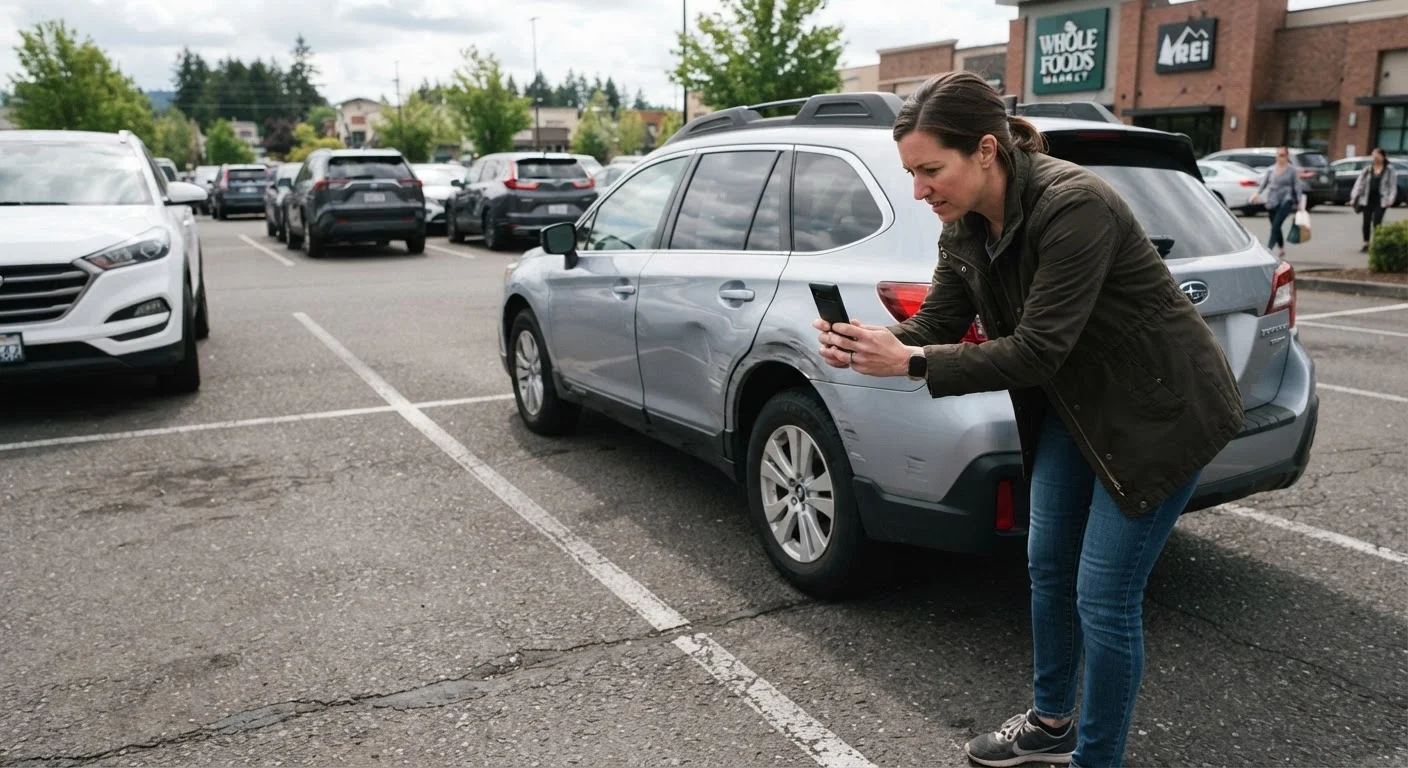
Photograph all vehicles involved from multiple angles, capturing damage, license plates, and the surrounding area. Note the time, location, weather, and road conditions. Collect the other driver's name, contact information, license plate number, driver's license number, and insurance details. If witnesses are present, record their names and phone numbers.
Notify Your Insurer Promptly
Contact your insurance company as soon as reasonably possible - ideally the same day. Most insurers offer 24/7 claims reporting by phone, mobile app, or online portal. Be prepared to provide your policy number, a description of the incident, the location, and the information you collected at the scene. Delayed reporting can complicate or, in some cases, jeopardize your claim depending on your policy terms.
Work With the Claims Adjuster
Your insurer will assign a claims adjuster - a professional who investigates the incident to determine coverage applicability and estimate damages. The adjuster may inspect your vehicle in person, review photos, consult the police report, and interview involved parties. Be cooperative and honest throughout this process. Misrepresenting facts on a claim can constitute fraud and void your coverage.
Get a Vehicle Damage Estimate
Depending on your insurer's process, you may be directed to an approved repair shop, or you may be permitted to obtain independent repair estimates. Some policies allow you to choose your own repair facility; others require use of a preferred network. Understand that the insurer's estimate and the shop's estimate may differ - this is common and can typically be reconciled through a supplemental claim if additional damage is found during repairs.
Review the Settlement Offer
Once the adjuster completes the evaluation, the insurer will issue a settlement offer covering the approved damages, minus your deductible. Review this figure carefully. If your vehicle is declared a total loss - meaning repair costs approach or exceed the vehicle's actual cash value - the settlement will reflect the market value of the vehicle at the time of the loss, not its replacement cost (unless you carry gap or new-car replacement coverage). If you believe the offer is inaccurate, you have the right to dispute it.
Finalize and Close the Claim
Once you accept the settlement, the insurer will arrange payment - either directly to you or to an approved repair facility. If your vehicle is a total loss, you'll sign over the title in exchange for payment. Keep copies of all correspondence, estimates, and payment records for your files. Note that accepting a settlement typically closes the claim, so confirm all damage has been accounted for before signing off.
Keep a Claims Checklist in Your Glove Box
Print a simple checklist that reminds you what to document at the scene: photos of all vehicles and damage, the other driver's name, license plate, insurer, and policy number, plus contact details for any witnesses. Having it on hand reduces the chance of missing critical information while you're stressed.
This article provides general educational information about the auto insurance claims process and is not a substitute for advice from a licensed insurance professional. Coverage, timelines, and procedures vary by policy and provider. Always consult your actual policy documents and contact your insurer directly for guidance specific to your situation.