

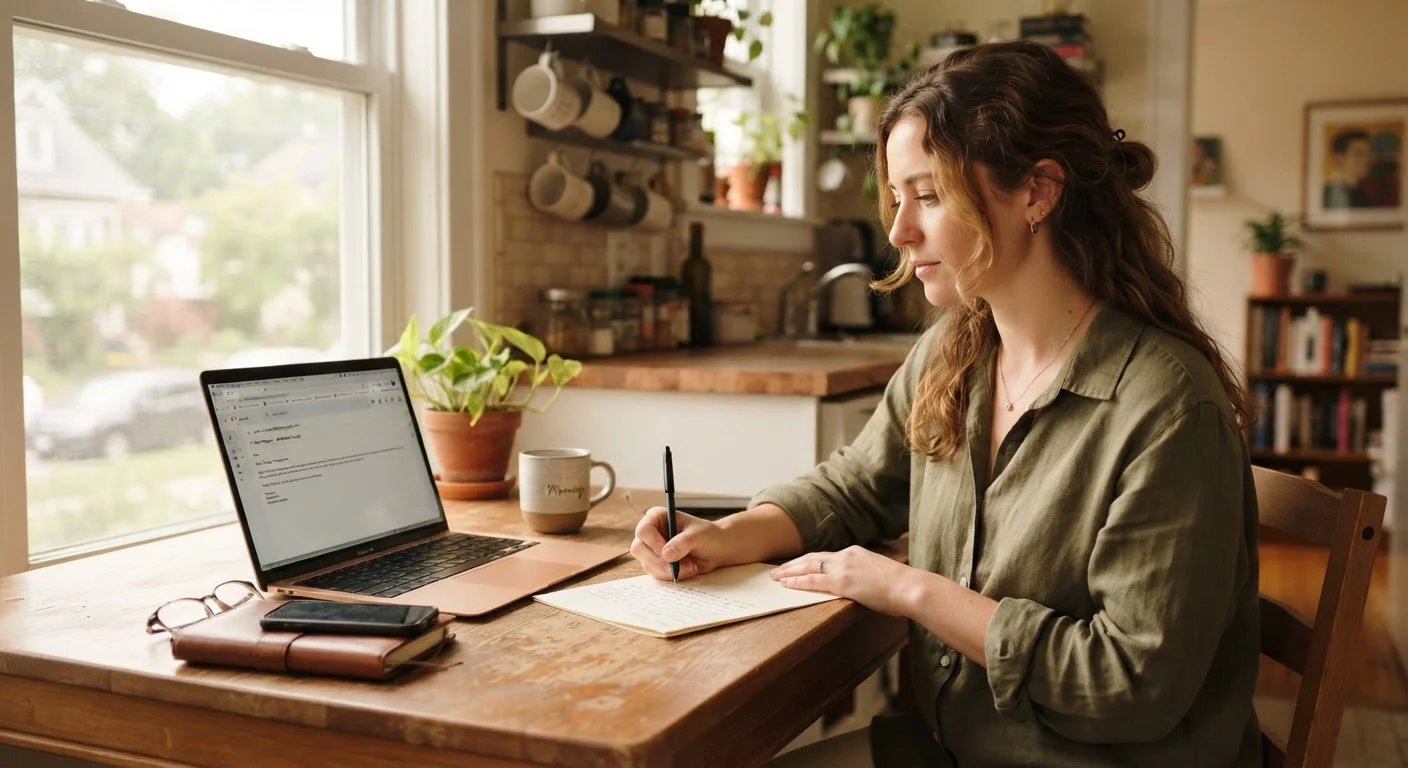
Key Takeaways
- Always communicate with your landlord in writing, even if you also speak in person.
- Submit maintenance requests formally and keep dated copies of every message sent.
- Understanding your lease terms helps you know what responses and timelines to expect.
- A consistent paper trail is your strongest protection if a dispute ever escalates.
Why Written Communication Is Your First Line of Defense
Rental disputes often come down to one question: what can you prove? Verbal conversations - even friendly ones - leave no record if memory or motives diverge later. Establishing a habit of written communication from the start of a tenancy is one of the most effective things a renter can do to protect themselves.
Email is generally the most practical format: it's time-stamped, searchable, and automatically creates a thread both parties can reference. Text messages can also serve as evidence, but they're easier to lose or misread out of context. For high-stakes communications - notice of a habitability problem, a dispute over charges, or a formal repair request - email or certified mail is preferable.
Even when a landlord calls you, follow up the conversation in writing. A brief email saying "As we discussed today, I'm requesting that the broken heating unit be repaired by " creates a dated record of what was agreed. This habit costs very little effort and can matter enormously if a disagreement later arises over a deposit or a maintenance obligation. See our apartment walkthrough checklist for how to start documenting issues before you even move in.
Maintenance Requests: What to Say and How to Follow Up
Maintenance is one of the most common friction points between renters and landlords. Many states have implied warranty of habitability laws - legal standards requiring landlords to keep rental units safe and livable - but enforcing those protections starts with proper notification. If you never formally notified the landlord in writing, your legal options may be limited.
When submitting a repair request, be specific: describe the problem, when you first noticed it, and any safety risk it poses. Keep the tone factual and neutral. Reference your lease if it includes maintenance procedures. After sending, note the date you submitted the request and set a reminder to follow up if you don't hear back within a reasonable period - typically five to seven business days for non-emergency issues, and immediately for anything affecting safety or habitability.
If a landlord repeatedly fails to respond or address documented problems, that written record becomes the foundation for escalating through local housing authorities or tenant advocacy organizations. Understanding your rights in that situation is covered more fully in our overview of tenant legal protections.
Building a Communication Record That Works for You
Consistency is what makes documentation useful. Create a simple folder - on your computer or in a cloud storage account - dedicated to your rental. Store your lease, move-in photos, all sent and received emails, and any written notices from your landlord. When you receive a paper notice, photograph or scan it immediately.
Organize communications chronologically, and name files clearly: 2024-03-10_maintenance_request_heating.pdf is far more useful than email.pdf when you're searching under pressure. This same discipline applies when you eventually move out. Protecting your deposit at move-out depends heavily on the documentation trail you've maintained throughout the tenancy.
Finally, know your lease. The lease governs how and where official notices must be sent - some require written notice to a specific address or contact method. Ignoring those requirements can undermine an otherwise legitimate communication. If you're unsure what your lease says about notice procedures, re-read those clauses carefully before sending anything time-sensitive.
~$200
Median security deposit withheld in renter disputes
According to data compiled by tenant advocacy organizations, deposit disputes over undocumented maintenance and move-out conditions are among the most common issues renters face.
43%
Renters who never formally document repair requests
Surveys of renter experiences suggest a large share of tenants rely solely on verbal communication with landlords, limiting their options if a dispute escalates.