

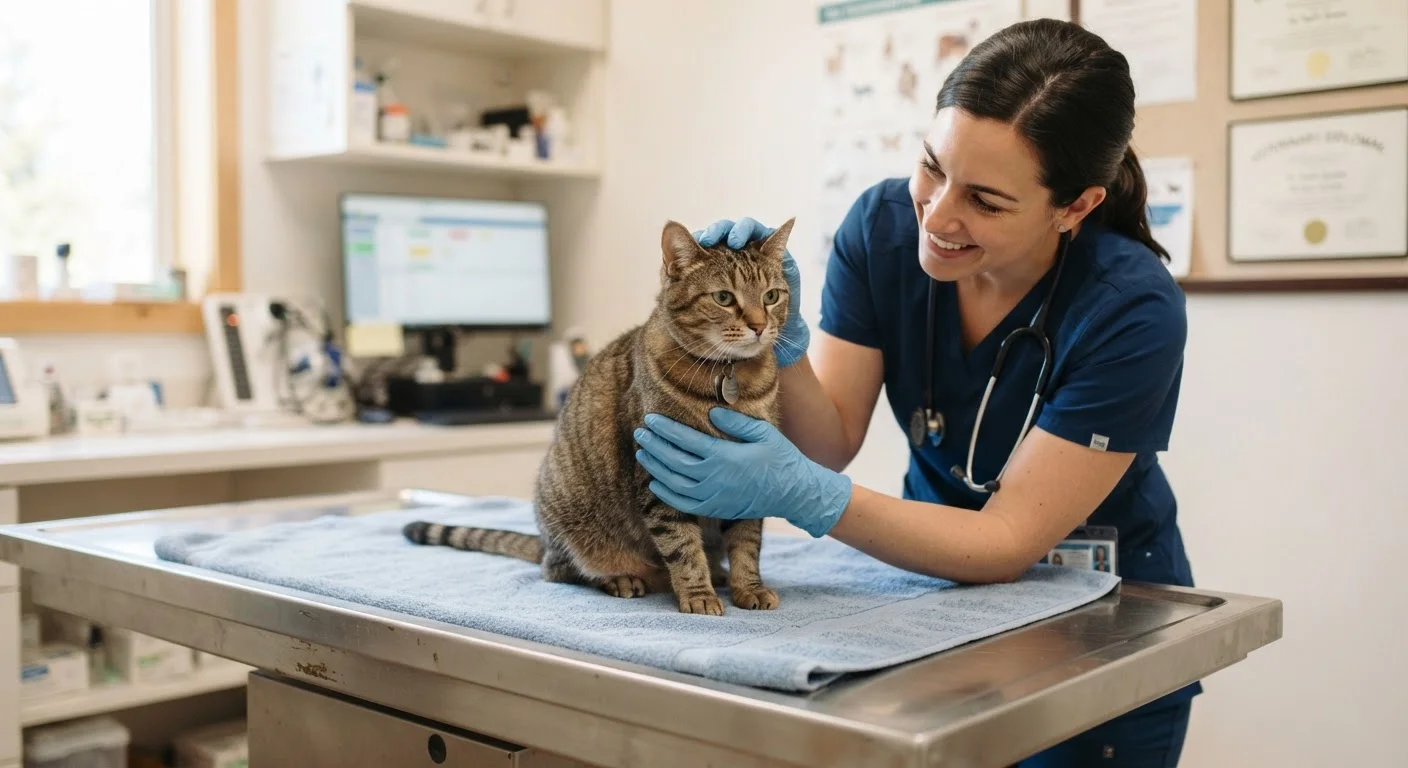
Key Takeaways
- Annual vet visits catch health problems before visible symptoms appear - consistency matters.
- Bring medical history, current medications, and a fresh stool sample to every appointment.
- Vaccine schedules, dental health, and weight trends should be reviewed at every annual exam.
- Prepare a written list of behavioral or dietary changes you've noticed since the last visit.
- Cats over seven years old may benefit from twice-yearly wellness exams, not just annual ones.
Summary
22 items · 20-35 minutes to prepare; use during and after the appointment
Why Annual Vet Visits Matter More Than Most Cat Owners Realize
Cats are famously good at hiding discomfort. By the time a health problem becomes obvious - a change in appetite, visible weight loss, lethargy - it may have been developing quietly for months. The annual wellness exam is the single most reliable tool for catching these issues early, when treatment options are broader and outcomes are generally better.
Veterinary guidelines from organizations like the American Association of Feline Practitioners (AAFP) recommend at minimum one wellness visit per year for healthy adult cats, and more frequent checkups for kittens and senior cats. If your cat is seven years or older, talk to your vet about whether a biannual schedule makes sense. For new cat owners still getting their footing, our guide on bringing your first cat home covers what to expect from those early veterinary appointments.
This checklist is designed to help you prepare thoroughly, participate actively during the visit, and follow up effectively - making every appointment count.
Senior Cats Need More Frequent Monitoring
Cats aged seven and older experience accelerated health changes that can be missed on a once-a-year schedule. The AAFP recommends that senior and geriatric cats (11 years and older) be seen every six months. If your cat is entering their senior years, raise this scheduling question directly with your veterinarian at your next visit.
What to Gather Before the Appointment
Showing up prepared saves time, reduces stress for your cat, and gives your vet the full picture they need. Use the checklist below to assemble everything in advance.
Secure cat carrier
Safely transports your cat to and from the clinic with minimal stress.
Vaccination and medical records
Gives the vet a complete history to guide exam decisions and vaccine scheduling.
Fresh stool sample
Enables fecal parasite testing, which is standard at most annual wellness exams.
Written question list
Helps you remember all concerns so nothing important gets skipped during the appointment.
Current medication list
Ensures the vet has accurate information about every supplement, prescription, or preventative your cat receives.
Smartphone or notepad
Lets you record vet instructions and recommendations accurately during the visit.
If your cat is on a specific diet or you've had concerns about nutrition, consider reviewing what your cat's food labels actually mean before the visit so you can ask more targeted questions.
Before the Visit: Documents & Supplies
At the Exam: Health Areas to Cover
After the Visit: Follow-Through
Questions Worth Asking Your Veterinarian
A good annual exam is a two-way conversation. Vets can only act on what they observe and what you share. Come with written questions - it's easy to forget them once you're in the room. Key areas to probe include vaccine due dates, parasite prevention status, dental cleaning recommendations, weight trajectory, and any behavioral shifts you've noticed.
Behavioral changes are often early signals of underlying medical conditions. Increased vocalization, changes in litter box habits, or reduced grooming can all point to something worth investigating. Many of these signals are also surrounded by misconceptions - our article on cat health myths veterinarians want you to stop believing addresses several of the most persistent ones.
Don't Wait for Symptoms to Book a Visit
Cats instinctively conceal pain and illness, meaning visible symptoms often indicate a condition that is already well-advanced. Skipping a year's exam because your cat 'seems fine' removes your best opportunity for early detection. If cost is a barrier, ask your veterinary clinic about wellness plan options or payment schedules - these vary by practice.
For dog owners using this site, a parallel resource on annual vet visit prep for dogs applies similar preparation principles to canine checkups.
This article is for general informational purposes only and does not constitute veterinary medical advice. Always consult a licensed veterinarian for guidance specific to your cat's health needs.