

Key Takeaways
- After 100,000 miles, wear-prone components like timing belts, coolant, and spark plugs often need replacement for the first time.
- High-mileage vehicles benefit from more frequent oil changes and closer attention to fluid conditions.
- Seals and gaskets become more susceptible to leaks as mileage accumulates, making visual inspections more important.
- Following your owner's manual remains the most reliable guide - even on older, high-mileage vehicles.
- Proactive maintenance on a high-mileage car is almost always less expensive than reacting to a major failure.
Why 100,000 Miles Is a Turning Point
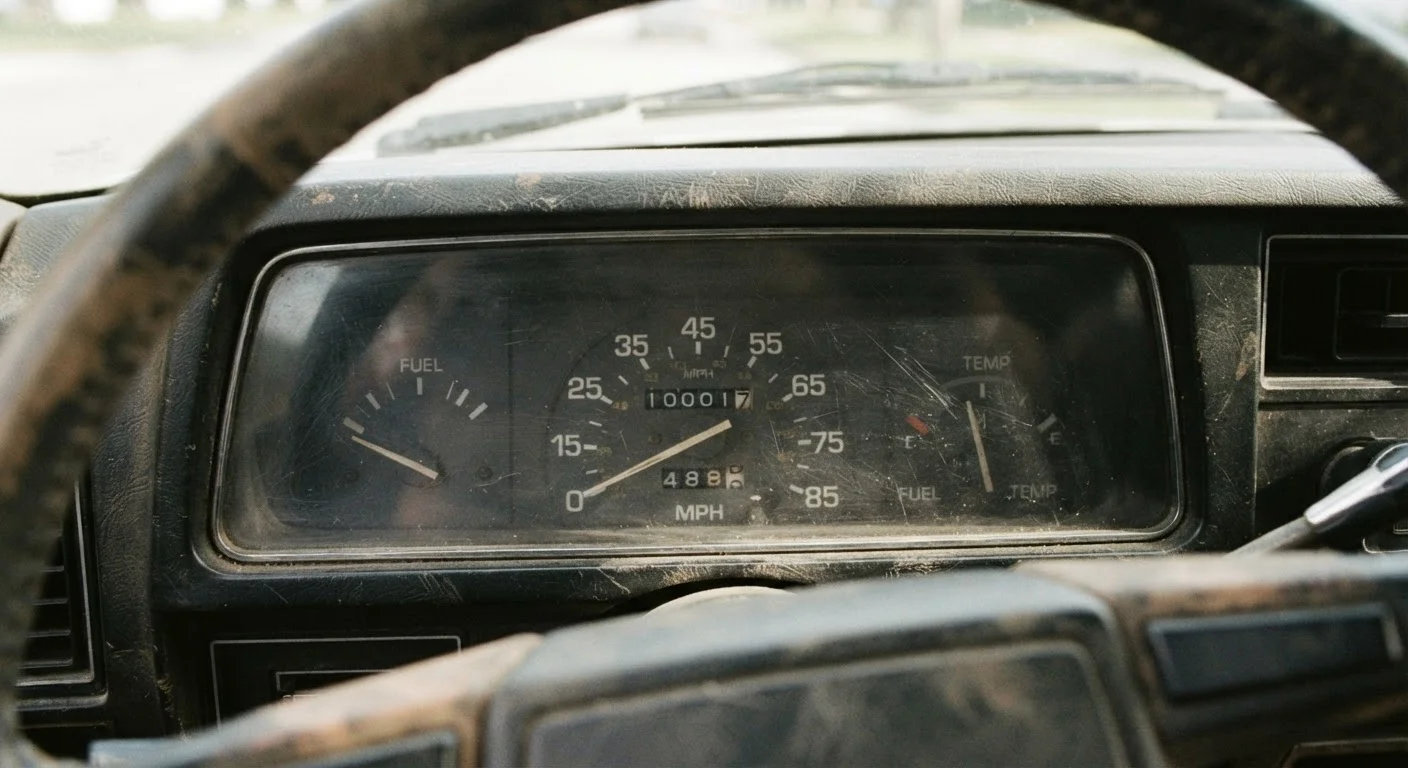
Reaching 100,000 miles on your odometer isn't a death sentence for a vehicle - in fact, many modern cars are engineered to run reliably well beyond that threshold. But it is a meaningful inflection point. Components that were designed to last roughly that long may now be at or past their service limits, and systems that were largely trouble-free can begin requiring closer attention.
The key shift isn't panic - it's awareness. A car with 100,000 miles on it has been through thousands of heat cycles, exposure to moisture and road chemicals, and sustained mechanical stress. Rubber degrades, metals wear, and fluids break down over time. Understanding which systems are most affected helps drivers prioritize spending and avoid being caught off guard by a preventable failure.
For a broader view of how routine upkeep compounds over a vehicle's life, see why deferred maintenance leads to costlier repairs.
Components That Deserve Priority Attention
Several parts have service intervals that align closely with the 100,000-mile mark. If they haven't been replaced, they should be evaluated immediately.
Inspect and replace the timing belt if it hasn't been serviced
Timing belts on interference engines have a finite lifespan - typically 60,000 to 100,000 miles depending on the manufacturer. A failed timing belt can cause catastrophic engine damage in interference-engine designs, turning a $300-$600 belt replacement into a multi-thousand-dollar engine repair.
Replace spark plugs and inspect ignition components
Even long-life iridium or platinum spark plugs typically reach their replacement interval around 100,000 miles. Worn plugs reduce combustion efficiency, hurt fuel economy, and can cause misfires that stress the catalytic converter - an expensive component.
Flush and replace coolant according to manufacturer specifications
Coolant additives that prevent corrosion inside the cooling system deplete over time. Old coolant can cause buildup and corrosion in the radiator, water pump, and heater core - components that are expensive to replace.
Examine belts, hoses, and rubber components for signs of deterioration
Serpentine belts, radiator hoses, and vacuum lines are made of rubber compounds that harden, crack, and swell with age. A burst radiator hose can leave a driver stranded and cause rapid engine overheating, which can warp cylinder heads.
Monitor brake fluid condition and pad thickness more frequently
Brake fluid is hygroscopic - it absorbs moisture over time - which lowers its boiling point and can promote corrosion inside brake calipers and wheel cylinders. On high-mileage vehicles, brake hardware also experiences cumulative wear that requires more frequent checks.
Beyond these focused items, it's worth doing a full fluid audit. Transmission fluid, brake fluid, power steering fluid, and coolant all degrade over time and mileage. Many manufacturers specify a coolant flush around 100,000 miles, and transmission fluid - often labeled as a sealed-for-life fill - may benefit from a change in high-mileage vehicles if shifting quality has softened.
Seals, Gaskets, and the Leak Problem
One of the most common complaints among high-mileage vehicle owners is the appearance of fluid leaks. Rubber seals and gaskets harden and shrink with age and heat cycling. Oil pan gaskets, valve cover gaskets, and rear main seals are frequent culprits. These leaks often start small - a spot on the driveway - but can escalate if ignored.
Not All Leaks Require Immediate Repair
A very minor seepage around a valve cover gasket, for example, may not require emergency attention - but it should be monitored and addressed before it worsens. Your mechanic can help you prioritize which leaks are urgent versus manageable. Never ignore oil leaks near hot exhaust components, as these present a fire risk and should be evaluated promptly.
A simple habit: lay a piece of cardboard under the car overnight and check it in the morning. Catching a developing leak early - when it's a drip rather than a stream - gives you time to plan a repair on your schedule rather than a tow truck's.
Adjusting Your Maintenance Rhythm
High-mileage vehicles generally benefit from tightening some maintenance intervals. If your vehicle previously ran conventional oil on a 5,000-mile change schedule, many mechanics suggest moving to a 3,000-4,000-mile interval or switching to a high-mileage formulation designed to condition seals and reduce burn-off in worn engines. This isn't a universal rule - always check your owner's manual first.
Your owner's manual remains the authoritative source for your specific vehicle. Understanding how to read the maintenance section of that document can make a real difference in how well you manage a high-mileage car. Manufacturers often include separate guidance for "severe duty" driving - stop-and-go traffic, towing, extreme temperatures - conditions that accelerate wear even on lower-mileage vehicles.
For a complete framework covering all phases of vehicle ownership, this owner's reference guide provides an end-to-end look at scheduled services and major repairs.
This article provides general educational information about vehicle maintenance and is not a substitute for advice from a qualified mechanic. Always consult a licensed automotive professional for diagnosis and repair decisions specific to your vehicle.