

Key Takeaways
- Waiving a home inspection to win a bid can expose buyers to thousands in unexpected repair costs.
- Inspections typically cost $300-$500 - a fraction of what undiscovered problems can cost later.
- Competitive market pressure drives most inspection waivers, but alternatives exist that protect buyers.
- Structural, electrical, and plumbing defects are rarely visible to the untrained eye during a walkthrough.
- An inspection contingency gives buyers documented grounds to renegotiate or exit a deal.
The Real Calculation Behind Skipping an Inspection
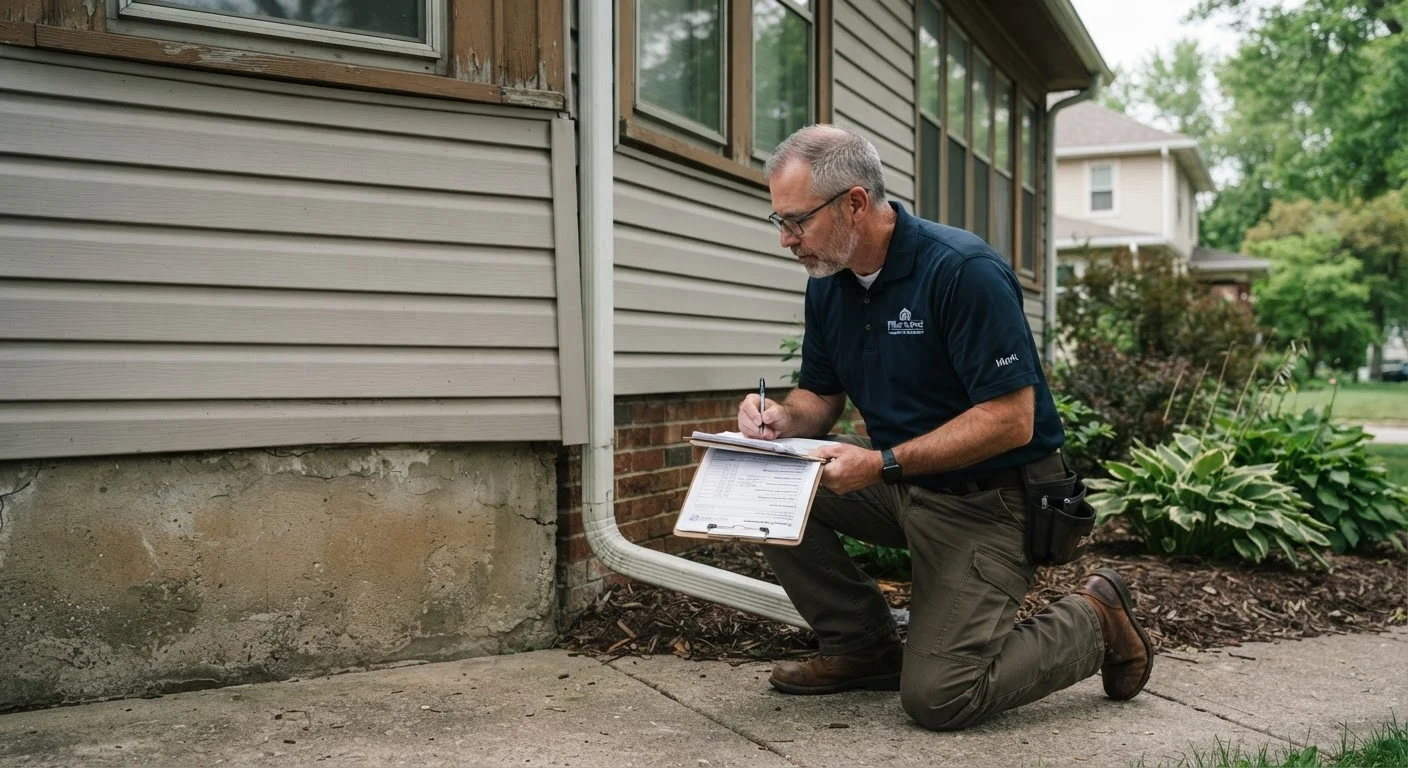
Home inspections are one of the most cost-effective forms of due diligence available to a buyer. For a few hundred dollars - a cost that is part of the broader full picture of homebuying expenses - a licensed inspector provides a documented assessment of a property's physical condition that no amount of casual touring can replicate.
The problem is that inspections are contingencies, and contingencies can make offers less attractive in competitive markets. When buyers feel pressure to win, removing the inspection feels like a reasonable trade-off. It rarely is.
Foundation repairs can run $5,000 to $15,000 or more. Roof replacement on a mid-sized home often exceeds $10,000. HVAC system replacement commonly costs $5,000 to $12,000. These are expenses that a general inspection can flag - or, without one, that land entirely on the buyer after closing with no recourse.
Waiving Inspection Is a Permanent Decision
Once you close on a home without an inspection contingency, you own every hidden defect - no matter how serious. There is no legal recourse against the seller for problems you had the opportunity to discover. This decision cannot be undone after closing.
The goal before making any offer should be thorough preparation. The pre-purchase checklist for homebuyers covers property due diligence alongside financial and neighborhood research - a useful framework for understanding where inspection fits in the broader process.
$300-$500
Typical home inspection cost
According to the American Society of Home Inspectors, most general inspections fall within this range, varying by home size and region.
~86%
Inspections that find at least one defect
Industry data consistently shows the vast majority of inspected homes have at least one issue documented, ranging from minor maintenance items to significant system failures.
Common Mistakes That Leave Buyers Exposed
The decision to skip or shortchange an inspection rarely comes from recklessness. It usually stems from competitive pressure, misplaced assumptions about a home's condition, or a misunderstanding of what inspections actually cover. Each of the following errors is common, understandable - and avoidable.
Waiving the inspection entirely to make an offer more competitive.
Why it happens: In low-inventory markets, buyers face pressure to remove contingencies to stand out. Agents or sellers may signal that inspection contingencies will kill the deal.
Treating a visual walkthrough as equivalent to a professional inspection.
Why it happens: Buyers often feel confident after touring a home multiple times, mistaking familiarity with the space for knowledge of its condition.
Assuming a new or recently renovated home does not need an inspection.
Why it happens: Buyers reason that a recently built or updated home has fewer risks, making an inspection feel unnecessary.
Skipping specialized inspections even when a general inspection is completed.
Why it happens: Buyers view the general inspection as comprehensive coverage and don't realize its scope has limits.
Failing to attend the inspection in person.
Why it happens: Buyers assume the written report alone is sufficient and skip attendance to save time.
Seller Disclosures Are Not a Substitute
Many buyers assume that seller disclosure forms cover what an inspection would find. In practice, sellers can only disclose what they know - and many defects, particularly in older homes, are genuinely unknown to the current owner. Disclosure laws also vary significantly by state. A disclosure form is not a professional assessment of the property's condition.
Once you have an inspection report in hand, the work isn't over. Reports frequently run dozens of pages and use technical language that can feel overwhelming. Understanding how to read an inspection report without feeling overwhelmed helps buyers distinguish between serious findings that warrant renegotiation and routine maintenance notes that don't.